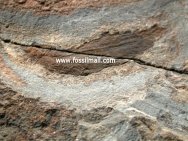
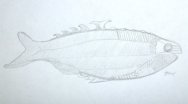
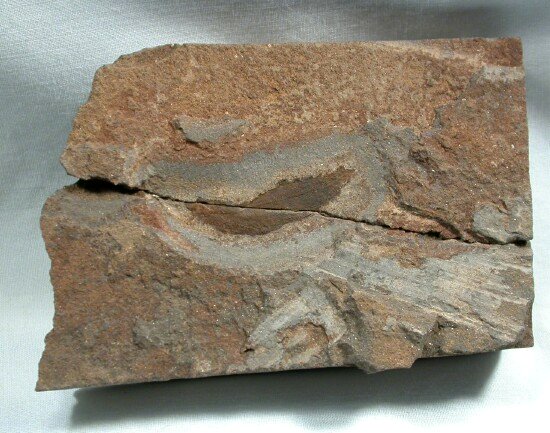
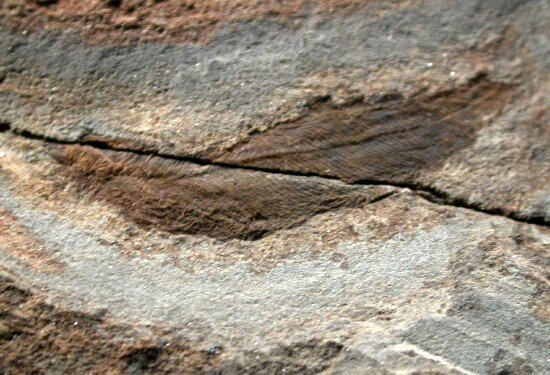
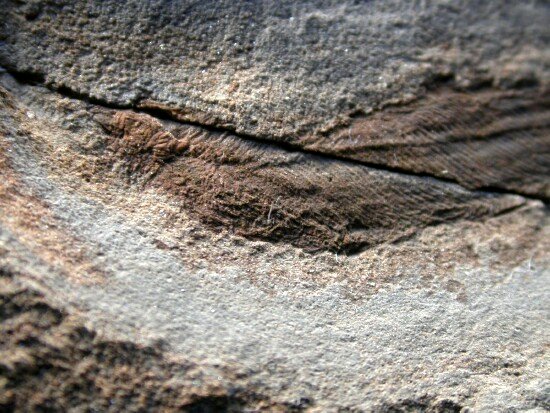
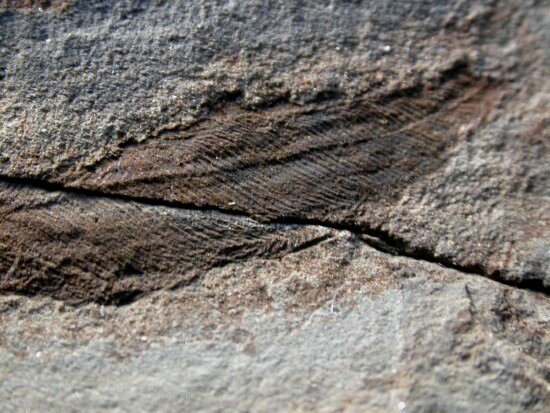
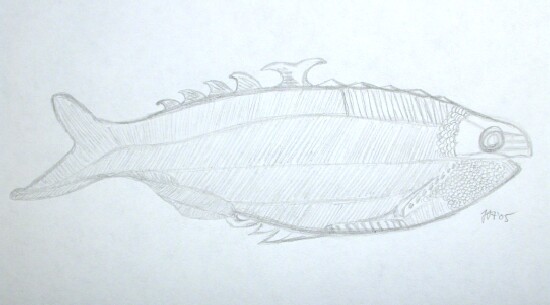
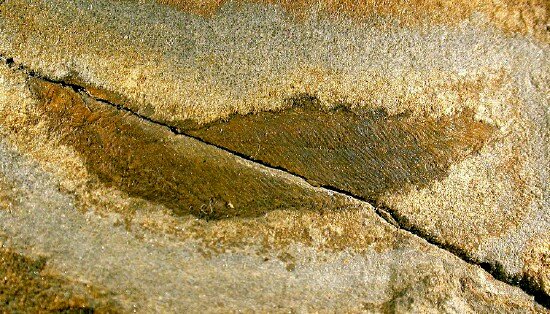
Birkenia elegans
Superclass Agnatha, Class Anaspida
Geological Time: Upper Silurian
Size: Fish fossil is 34 mm
Fossil Site: Seggholm, Muikirk, Ayrshire, Scotland
|
|
Birkenia elegansSuperclass Agnatha, Class Anaspida Geological Time: Upper Silurian Size: Fish fossil is 34 mm Fossil Site: Seggholm, Muikirk, Ayrshire, Scotland
|
click to enlarge
 |
 |
 |
 |
 |
 |
l
Paleontology
& Fossils l
Paleobiology and Geologic Timeline
l
l
Fossil
Amber
l
Ammonite
Fossils
l
Dinosaur
and Reptile Fossils
l
Fossil
Kits
l
l Crinoids
and Echinoderms
l
Fish Fossils l Fossil Dealers l Insect
Fossils l Invertebrate Fossils l
l Plant
Fossils
l Stromatolites
l Trace & Ichnofossils l Trilobite
Fossils
l Vertebrate
Fossils
l