Outstanding Pleistocene Stromatolites from Australia

Stromatolites

(Hand-Polished)

Geological Time: Pleistocene (more than 10,000 years old)

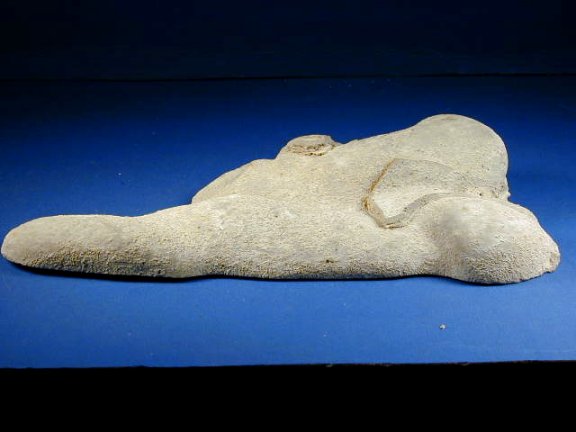
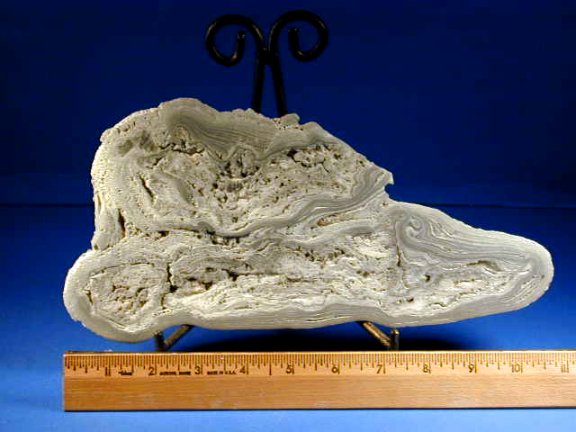
Size: (25.4mm=1 inch): about 10.9 by 5.2 by 1.8 inches

Fossil Site: Marion Lake, Stenhouse Bay, S.A., Australia

Fossil Code: DS703

Price: Sold


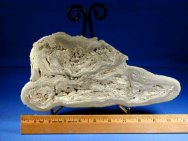
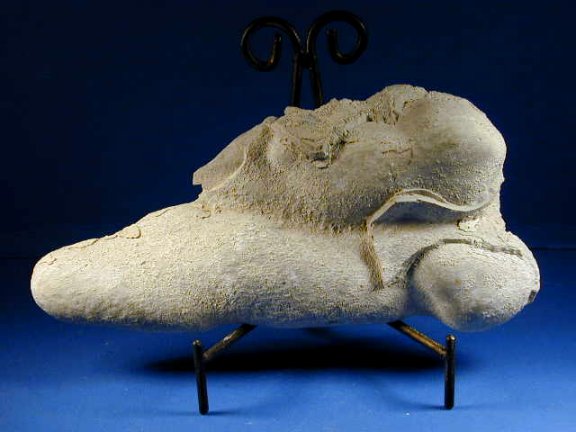
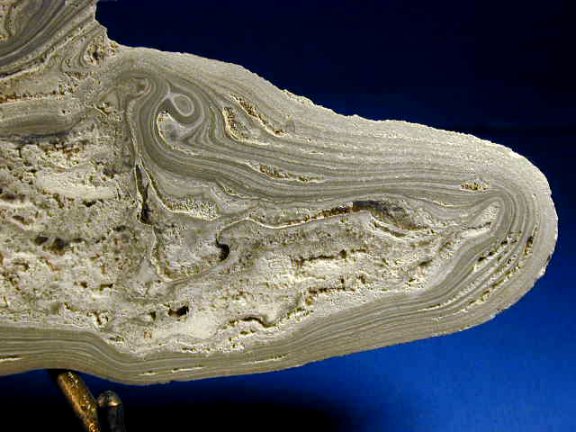
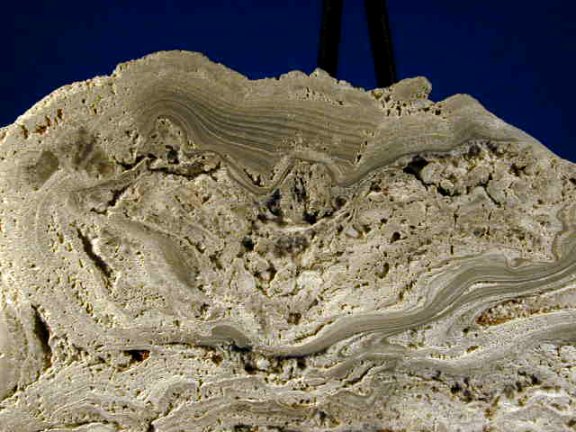
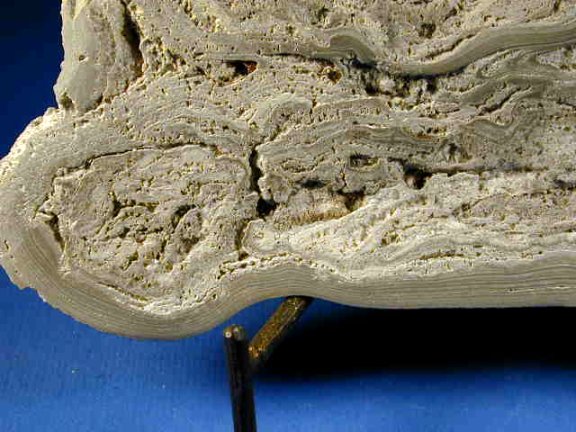
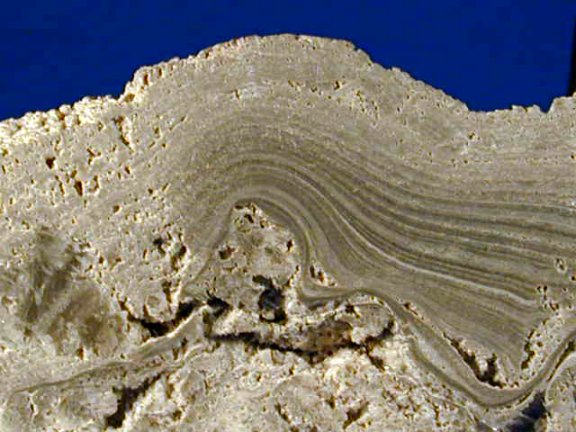
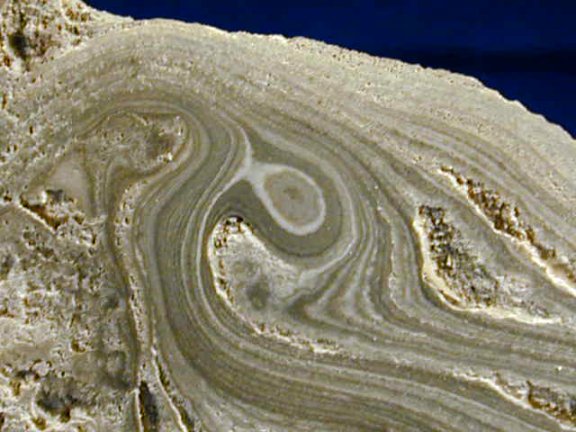
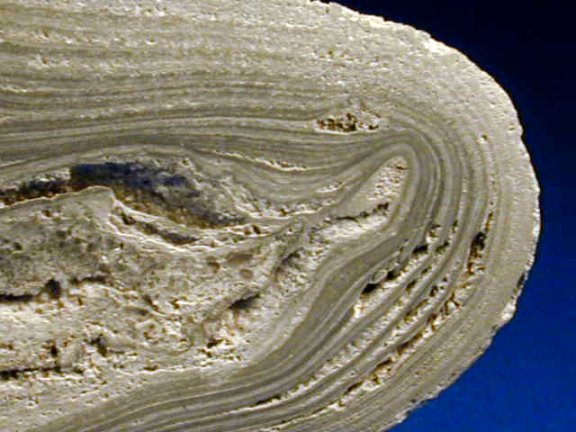
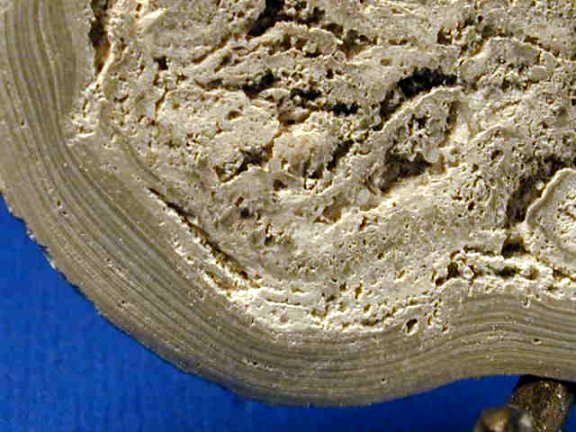
Pleistocene StromatolitesThis is for all practical purposes, modern stromatolite, coming from the famous selenite collecting beds of Lake Marion, Australia. In fact, the specimen contains crystals of selenite. The specimen also exhibits extremely fine layering. The material is difficult to obtain. Coming from a lake/lagoon environment with brackish and hypersaline water, this stromatolite is an example of how modern stromatolite has retreated to less hospital habitats where competition from other forms is reduced.

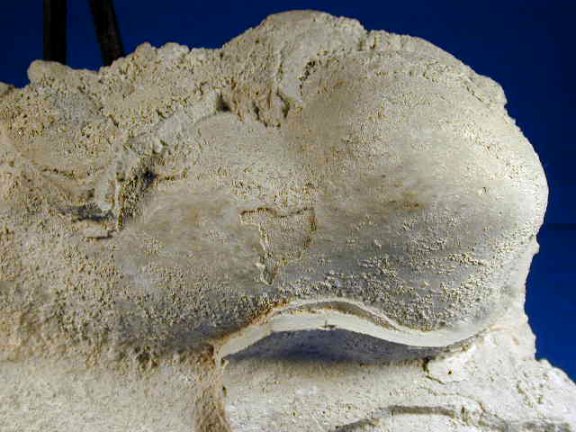
The specimen has been sliced horizontally below the upper domes. Thus, both the exterior domes and the internal laminated structures are available for study. This stromatolite has not been buried for eons like most ancient formations, and has thus not undergone the morphological and chemical changes like most of the specimens in this section. Thus, it strongly resembles modern, living stromatolite.

In addition, the surface where the cut was made has been hand polished, which better reveals the intricate layering of the stromatolite.

We will likely have no more than a sketchy understanding of the paleoenvironments in which stromatolite was formed in the deep time Precambrian, and only an incomplete understanding of the environments in the Paleozoic. Sound conjecture is possible if we examine the now rare environments that support extant stromatolitic growth during modern times. Cyanobacteria are found to be a primary organism in the formation of microbial carbonates. These prokaryotic bacteria (slang name is blue-green algae owing to pigmentation involved in photosynthesis) are now only found in areas where there is reduced grazing and burrowing by other organisms, and a low occurrence of macro-algae and plants. Environments where modern stromatolites are found typically are hypersaline, but also include areas of high alkalinity, low nutrients, high or low temperatures, and strong wave or current actions. The obvious pattern emerges that modern stromatolites tend to exist in areas that most other life forms consider less desirable or possibly intolerable. Thus, organisms producing modern stromatolite are generally limited to areas where organisms with which they have to compete and/or organisms that might use them for nutrients are not prevalent.

Fossils Sales

Click to enlarge


Fossil Mall Navigation:

l Fossil Mall Home l Fossils for Sale Map l Museum and Rare Fossils l How to Buy Fossils l

Navigate by Fossil Dealers:
l EDCOPE Enterprises l Pangaea Fossils l New Dig Fossils l Stonerelic l Western Fossils l

Navigate by Fossil Category:
l Fossil Amber l Ammonites l Dinosaur and Reptile Fossils l
l Crinoids and Echinoderms l Fish Fossils l Insect Fossils l Invertebrate Fossils l
l Plant Fossils l Stromatolites l Trace & Ichnofossils l Trilobites l
l Russian Trilobites l Vertebrate Fossils l
l Cambrian Explosion Fossils l

Fossils & Paleontology:
l Fossil Science Section l Paleobiology and Geological Time l